


For many women, fertility is not something that suddenly becomes a concern at a fixed age. It develops gradually over time. Careers take shape, relationships evolve, and life rarely follows a predictable path. So when the thirties arrive, conversations around family planning often start to feel more real and more present.
In this context, egg freezing is becoming something more people are considering not as pressure or urgency, but as a way of keeping future options open.
At the same time, Greece has quietly started to appear in these discussions as well. Not as a heavily promoted destination, but as a country that has steadily built a reputation in fertility care over time.
When your thirties change perspective
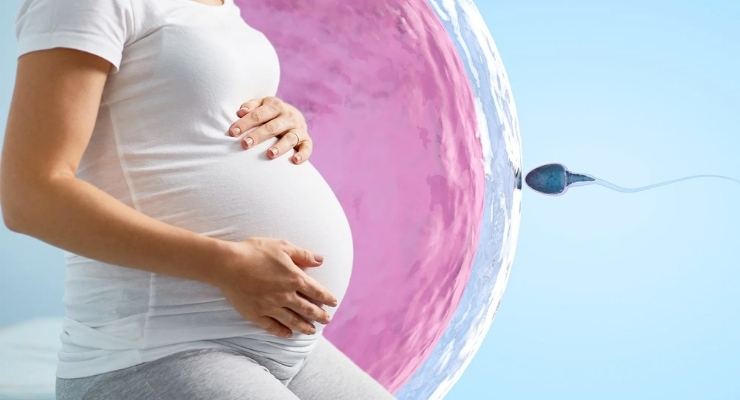
Something subtle often shifts in your thirties. It is not always about urgency. In many cases, it is simply awareness.
People begin to think differently about timing and long-term decisions. Not everyone is ready for parenthood at the same stage in life, and that is completely normal.
This is where the idea of egg freezing naturally fits in. It does not force a decision or change anything immediately. Instead, it gives more flexibility for the future, when things feel clearer and more settled.
Why Greece is becoming part of the conversation
Greece is not always the first country people think of when it comes to fertility treatment. However, over the years, it has become increasingly visible in this field.
Many people discover it not through advertising, but through research, recommendations, or personal experiences shared by others who have gone through similar journeys.
What often stands out is the balance between advanced medical care and a more approachable, human experience. It does not feel overly clinical or distant, which is something many patients value during fertility treatment.
A more personal approach to care
Clinics such as EmBIO Medical Center are part of this growing recognition. With long-standing experience in reproductive medicine, they have developed a structured yet supportive approach to patient care.
One of the most commonly mentioned aspects by patients is communication. Medical information is explained clearly, without unnecessary complexity, giving patients space to understand their options properly.
In fertility care, this clarity is important. When decisions feel complicated, simple explanations can make the entire process less overwhelming.
What the process actually involves
The treatment process is medically well-established and relatively straightforward, even if it may sound complex at first.
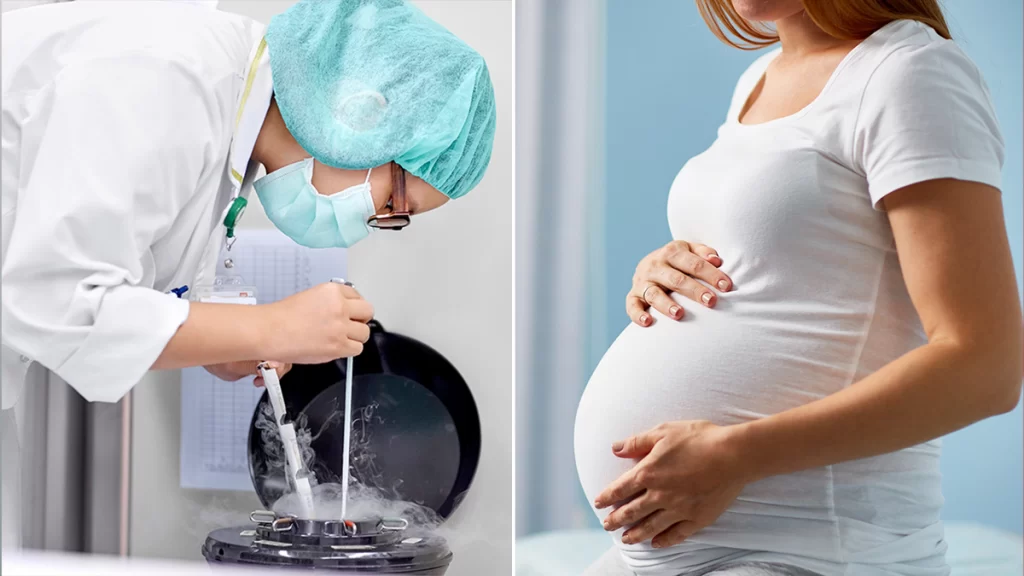
It begins with consultations and fertility assessments. After this, hormone medication is given for a short period to stimulate the ovaries and encourage egg production. Once the eggs are ready, they are collected through a minor medical procedure and then frozen for future use.
While the medical steps are structured, the emotional side is often more complex. For many people, it is not just a procedure but a personal decision about time, possibility, and future planning. This is why guidance and support throughout the process are so important.
Thinking differently about time after 30
After the age of 30, many people begin to view time in a different way. Not necessarily with pressure, but with reflection.
Some are thinking about future family plans. Others are simply trying to understand their current fertility status and what options may be available to them.
Egg freezing fits into this mindset because it is not about changing life plans, but about giving more flexibility within them.
Why Greece is being considered
Cost is often part of the conversation, but it is not the only reason Greece is gaining attention.
Compared to many Western countries, fertility treatment in Greece can be more accessible while still maintaining strong medical standards. However, what many patients also highlight is the overall experience.
The process often feels more structured, more organised, and easier to follow step by step. For international patients especially, this sense of clarity can significantly reduce stress.
Support for international patients
Travelling abroad for medical treatment involves more than just the procedure itself. There is planning, timing, communication, and often emotional preparation involved as well.
In Greece, many fertility clinics now offer early online consultations so patients can understand the process before travelling. This helps reduce uncertainty and allows for better preparation.
Once patients arrive, the treatment journey is usually well coordinated. Appointments are scheduled clearly, each step is explained, and support is available throughout the process. This structure helps patients feel more guided and less overwhelmed.
So, is Greece the right option?
There is no single answer to this question. It depends entirely on the individual, their medical situation, and what they feel comfortable with.
For some people, staying in their home country is the right choice. For others, Greece becomes part of their consideration because it offers a combination of medical expertise and a more supportive care experience.
It is not about being the “best” option overall. It is about whether it feels right for the person going through the journey.
Awareness Grows
The idea of preserving fertility has changed the way many people think about the future. It has introduced more flexibility into decisions that were once considered strictly time-bound.
As awareness grows, Greece is becoming part of this broader conversation. Not because it is trying to stand out, but because people are discovering it through trust, care, and real experience.
For many women in their thirties, that combination often makes the difference when making such an important decision.