


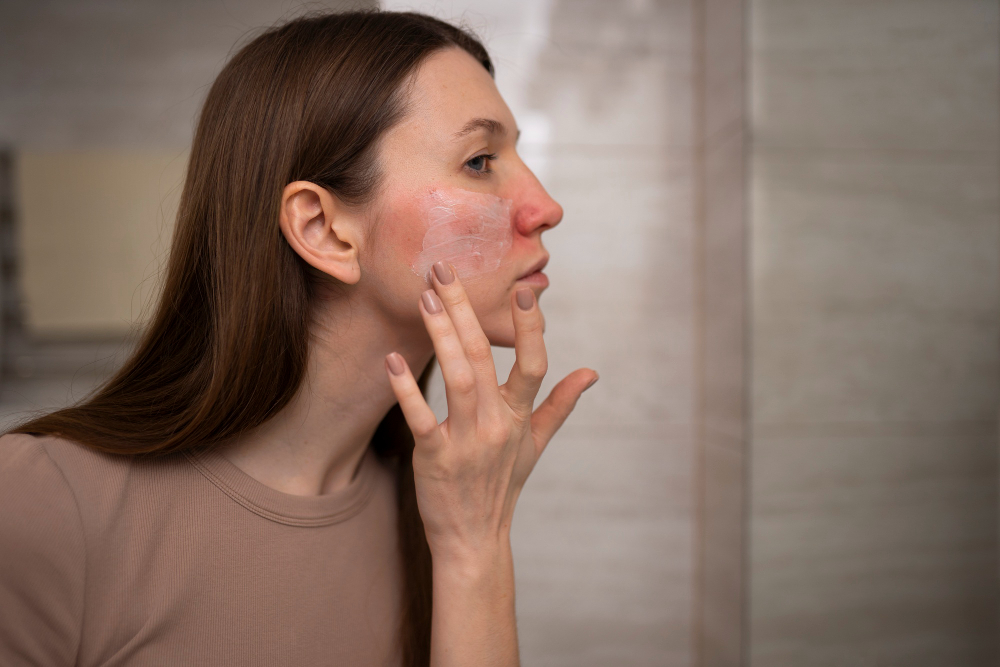
Acne-related inflammation can alter the skin long after active breakouts have resolved. When inflammatory acne penetrates into the deeper layers of the dermis, it disrupts collagen fibers, blood vessels, and the extracellular matrix that normally supports a smooth skin surface. Over time, this damage leads to permanent textural changes known as acne scars. As people age, the skin’s capacity to repair these injuries declines. Fibroblast activity decreases, collagen synthesis slows by approximately 1 percent per year after early adulthood, and dermal thickness gradually reduces. These age-related changes mean that scars formed earlier in life may become more noticeable later on, even if acne is no longer present.
For individuals seeking acne scarring treatment Singapore clinics often provide, the goal is not to erase scars but to stimulate controlled healing that replaces damaged tissue with more organized collagen. Understanding how the skin responds to both injury and treatment helps explain why results take time and why approaches often need to be combined.
Why Inflammatory Damage Has Long-Term Effects
During an active acne lesion, inflammatory mediators such as cytokines and proteolytic enzymes are released into surrounding tissue. These substances can break down collagen and elastin, creating microscopic voids beneath the surface. When healing occurs, the skin may not fully replace this lost structure, leaving behind depressions or fibrous bands that tether the skin downward.
With aging, the balance between collagen breakdown and synthesis shifts further toward loss. Even mild scars that were barely visible in younger skin may appear deeper as dermal volume decreases. For this reason, scar management often becomes more relevant in midlife, when structural support is already diminishing.
Screening and Early Assessment of Acne Scars
Accurate assessment of scar type is an important first step. Dermatologists generally classify acne scars into three main categories: ice pick, boxcar, and rolling scars. Ice pick scars are narrow and deep, boxcar scars have defined edges, and rolling scars result from fibrous bands that pull the skin downward.
Clinical examination may be supplemented with magnification or imaging tools that evaluate depth and surface irregularity. Early identification of mixed scar patterns allows for combination therapies, which may shorten overall treatment timelines and improve the uniformity of results.
Skin type also influences planning. Individuals with higher melanin content are more prone to post-inflammatory hyperpigmentation, which can make scars appear darker even after texture improves.
Daily Care and Lifestyle Factors
The way the skin is cared for between procedures plays a significant role in how well it heals. Gentle cleansing helps maintain the skin barrier, which is essential for efficient re-epithelialization. Over-exfoliation, whether mechanical or chemical, can increase inflammation and delay recovery.
Adequate sleep supports the release of growth hormone, which contributes to tissue repair. Nutrition is similarly important. Protein supplies amino acids for collagen synthesis, while vitamin C is required for collagen cross-linking. Deficiencies in either may slow the remodeling process.
Sun protection is particularly important for scarred skin. Ultraviolet radiation can increase pigmentation in healing tissue and degrade newly formed collagen. Broad-spectrum sunscreens with an SPF of 30 or higher are therefore commonly recommended during and after treatment.
Age-Related and Chronic Conditions That Influence Scarring
As skin ages, it becomes thinner and less elastic, which can accentuate the appearance of scars. Reduced blood flow may also limit the delivery of nutrients and oxygen needed for repair. Chronic inflammatory conditions such as eczema or rosacea can further compromise the skin barrier and complicate scar management.
Some individuals have a genetic tendency toward abnormal scarring, including hypertrophic scars or keloids. In these cases, treatment plans are often adjusted to minimize the risk of excessive tissue response.
Hormonal disorders that contribute to ongoing acne activity can also interfere with scar improvement. Active inflammation continues to damage the dermis, making it harder for treatments to produce stable results.
Prescription Treatments Versus Over-the-Counter Options
Topical products are often used to support scar remodeling. Over-the-counter retinol products typically contain less than 1 percent retinol and may gradually improve surface texture and pigmentation. These effects are usually modest and require consistent use over several months.
Prescription retinoids such as tretinoin, available in concentrations ranging from 0.025 to 0.1 percent, have stronger evidence for increasing collagen production and accelerating epidermal turnover. Clinical studies suggest that visible improvements in fine texture and discoloration may occur after 8 to 12 weeks of regular use.
Other prescription agents, including azelaic acid or hydroquinone, may be used to address hyperpigmentation that accompanies scarring. These medications work by reducing melanin production or inhibiting tyrosinase activity, helping scars blend more evenly with surrounding skin.
In-Clinic Procedures for Acne Scars
Procedural treatments aim to create controlled injury that stimulates new collagen formation. Fractional lasers produce microscopic columns of thermal damage, leaving surrounding tissue intact to promote faster healing. Non-ablative lasers generally have shorter downtime, while ablative lasers may provide more dramatic textural change but require longer recovery.
Microneedling and radiofrequency microneedling use needles to penetrate the dermis, sometimes combined with heat, to trigger collagen remodeling. These methods are often used for rolling and boxcar scars and may require multiple sessions spaced several weeks apart.
Subcision is another technique used for tethered scars. A small needle is inserted beneath the skin to break fibrous bands, allowing the surface to rise. Swelling and bruising are common but typically resolve within one to two weeks.
What Our Dermatologist Says
In my practice, I often explain that scar treatment is a process rather than a single event. Even when the surface appears healed, collagen continues to reorganize for months. This is why we usually reassess progress over time rather than expecting immediate changes.
I also emphasize the importance of treating active acne alongside scarring. Ongoing inflammation can undermine the benefits of any procedure, so a stable acne regimen is often a prerequisite for effective scar management.
Putting This Into Practice
- Have your scars evaluated to determine their type and depth
- Maintain a gentle, consistent skincare routine
- Use prescription retinoids or pigment-correcting agents as directed
- Protect healing skin from sun exposure
- Attend follow-up appointments to monitor progress
When to Seek Professional Help
- Scars that affect self-confidence or daily life
- Ongoing acne that continues to cause new scarring
- Dark marks that persist for months after healing
- Signs of abnormal scarring such as raised or thickened areas
- Interest in procedural treatments requiring medical supervision
Commonly Asked Questions
How long does it take to see improvement?
Most treatments stimulate gradual collagen remodeling, so changes often become noticeable over three to six months.
Can scars be completely removed?
Scars typically cannot be erased, but their depth and visibility can often be reduced with appropriate treatment.
Are darker skin tones at higher risk of pigmentation?
Yes, higher melanin levels may increase the likelihood of post-inflammatory hyperpigmentation, which usually fades over time.
How many sessions are usually needed?
Many patients require three to six sessions, depending on scar severity and treatment type.
Is downtime required?
Downtime varies by procedure, ranging from a few days for non-ablative treatments to one or two weeks for more aggressive lasers.
Next Steps
Rebuilding smoother skin after years of inflammatory damage involves understanding how scars form and how the skin heals. If acne scarring remains a concern, a consultation with a dermatologist can help identify the most appropriate, evidence-based options for your skin type and goals.